When people think about balanced eating, fiber may not always be the first thing that comes to mind. Protein, vitamins, and meal planning often get more attention, yet fiber plays a steady and helpful role in everyday wellness. It can support digestion, help meals feel more satisfying, and make it easier to maintain a more balanced approach to eating throughout the day.
The good news is that adding more fiber to your meals does not have to feel restrictive or complicated. You do not need to overhaul your routine or start preparing elaborate recipes. In many cases, small and realistic changes can make a noticeable difference in how your meals support your day.
For busy adults managing work, home life, errands, and personal goals, that matters. The most sustainable habits are often the ones that blend naturally into what you already do.
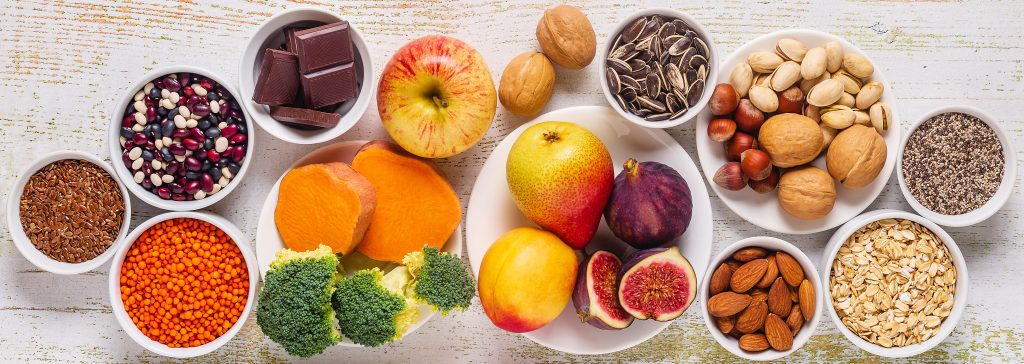
What Fiber-Rich Eating Can Look Like
A fiber-rich way of eating usually includes more whole, familiar foods that already fit easily into everyday meals. That can mean fruit with breakfast, vegetables at lunch, beans in a soup, or whole grains served with dinner. These choices can help meals feel more complete without making eating feel overly structured.
Fiber is often found in foods such as:
- Oats
- Whole grain bread
- Brown rice
- Beans and lentils
- Apples and pears
- Berries
- Broccoli
- Carrots
- Nuts and seeds
You do not need to include all of these every day. The goal is simply to bring in a little more variety and make room for fiber-rich foods more often.
Easy Ways To Add More Fiber At Breakfast
Breakfast can be one of the easiest places to start. A few simple swaps or additions can raise your fiber intake without adding stress to your morning.
You might try:
- Topping oatmeal with fruit
- Choosing whole grain toast instead of white bread
- Adding berries or sliced banana to yogurt
- Mixing seeds into cereal or smoothies
- Including an apple or orange on the side
These small choices can help breakfast feel more filling and set a steady tone for the rest of the day. If your mornings are rushed, even one small upgrade is a practical step in the right direction.
Build Better Lunches And Dinners
Lunch and dinner offer plenty of opportunities to include more fiber in a way that feels natural and satisfying. A balanced plate does not need to be perfect. It simply helps to include a few fiber-friendly ingredients whenever possible.
For example, you can:
- Add beans to salads, bowls, or soups
- Choose brown rice or quinoa more often
- Include an extra vegetable with dinner
- Keep the skins on potatoes when appropriate
- Add lentils to pasta sauce, stew, or chili
These adjustments are simple, flexible, and easy to repeat. Over time, they can make balanced eating feel more manageable rather than more demanding.
Snacks Can Help Too
Snacks are often overlooked, but they can be a helpful place to include more fiber during a busy day. Instead of focusing only on convenience, try thinking about what will keep you feeling comfortable and satisfied between meals.
Some easy ideas include fruit, raw vegetables, a handful of nuts, whole grain crackers, or yogurt paired with berries. These snacks are familiar, practical, and easy to prepare ahead of time.
Keeping a few fiber-rich options at home or at work can also make it easier to make supportive choices when your schedule gets full.
Keep Changes Simple And Steady
One of the best ways to increase fiber is to do it gradually. You do not need to change every meal at once. Starting with one or two small habits can feel more realistic and easier to maintain.
Try asking yourself:
- Can I add one fruit to my breakfast?
- Can I include one more vegetable at dinner?
- Can I switch one grain choice this week?
These kinds of changes may seem small, but they can build a stronger routine over time. When meals include more fiber-rich foods in simple and enjoyable ways, everyday wellness can feel a little more supported, one meal at a time.