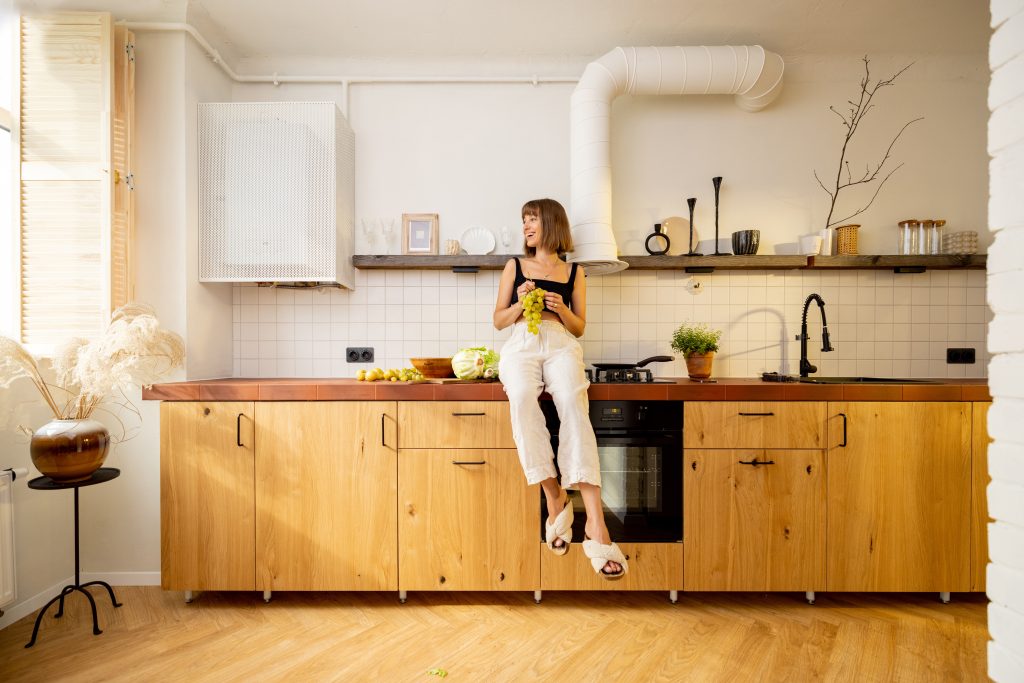
Healthy eating at home often depends on more than motivation alone. Even with the best intentions, it can be hard to prepare balanced meals when the kitchen feels cluttered, ingredients are difficult to find, or the routine around meals feels rushed. For adults balancing work, family life, and personal care, simple kitchen habits and practical setups can make everyday food choices feel easier and more natural.
The goal is not to create a picture-perfect kitchen or follow a complicated meal plan. It is to shape the space and the routine in ways that support consistency. When your kitchen is easier to use, healthy eating can feel less like an extra task and more like a normal part of daily life.
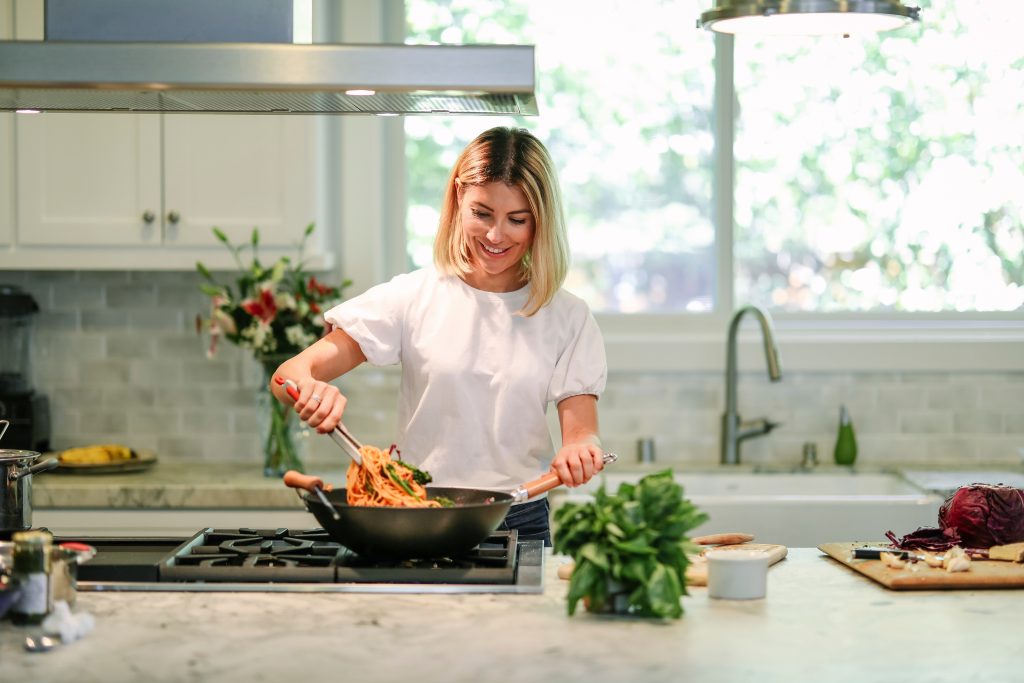
Start With A Kitchen That Supports Daily Use
A kitchen works best when it supports the way you actually live. If your counters are too crowded to prep food, if your tools are hard to reach, or if your fridge feels disorganized, even simple meals can seem harder to make. A more functional setup can remove some of that friction.
This often starts with making sure the kitchen has enough usable prep space. Clear counters make it easier to wash produce, chop ingredients, or put together a quick meal without feeling overwhelmed. It also helps to keep the items you use most often nearby, such as cutting boards, mixing bowls, knives, and storage containers.
When the layout supports your routine, preparing food tends to feel more manageable.
Make Better Choices Easier To See
Food visibility can shape everyday decisions more than many people realize. When fresh ingredients are easy to notice and ready-to-use items are within reach, it becomes simpler to build meals around them. On the other hand, if helpful ingredients are hidden behind clutter or pushed to the back of the fridge, they are easier to forget.
A few practical habits can help:
- keep washed produce visible in the refrigerator
- store everyday staples where they are easy to grab
- group meal ingredients together when possible
- place less useful impulse items out of immediate sight
- use simple containers that help you see what you have
These small choices do not force healthy eating. They simply make balanced options easier to notice during busy moments.
Create Routines That Reduce Mealtime Stress
Healthy eating is often easier when the kitchen routine feels steady rather than rushed. You do not need to prepare everything in advance, but a few regular habits can make mealtimes smoother and less stressful.
Helpful routines may include:
- checking the fridge before grocery shopping
- keeping a short list of simple meal ideas
- washing and prepping a few ingredients after shopping
- cleaning as you cook to keep the space usable
- storing leftovers in a way that makes them easy to reheat
These habits save time later and reduce the pressure of starting from scratch every time you want to eat. They also help the kitchen stay ready for the next meal instead of becoming harder to use as the week goes on.
Keep Balanced Meals Realistic
Healthy meals at home do not need to be elaborate. In most households, the most sustainable approach is one that feels practical enough to repeat. That means working with meals that fit your schedule, your cooking habits, and the rhythm of your week.
A balanced meal can be simple. It might include a protein source, vegetables or fruit, and a familiar side that makes the meal satisfying. The point is not to make every plate perfect. It is to make it easier to prepare meals that feel nourishing and realistic on ordinary days.
When your kitchen supports simple decisions, healthy eating often becomes more consistent without needing constant effort.
A Supportive Kitchen Can Shape Daily Habits
The kitchen environment influences what feels easy every day. When the space is functional, ingredients are visible, and routines are manageable, healthy eating at home starts to feel less complicated. That can be especially helpful for adults trying to care for themselves and their households without adding more pressure to the day.
Small changes in setup and routine can make a lasting difference over time. By creating a kitchen that supports prep space, food visibility, and steady habits, you make balanced meals easier to prepare more often. In a busy home, that kind of support can go a long way toward making healthy eating feel practical, comfortable, and sustainable.