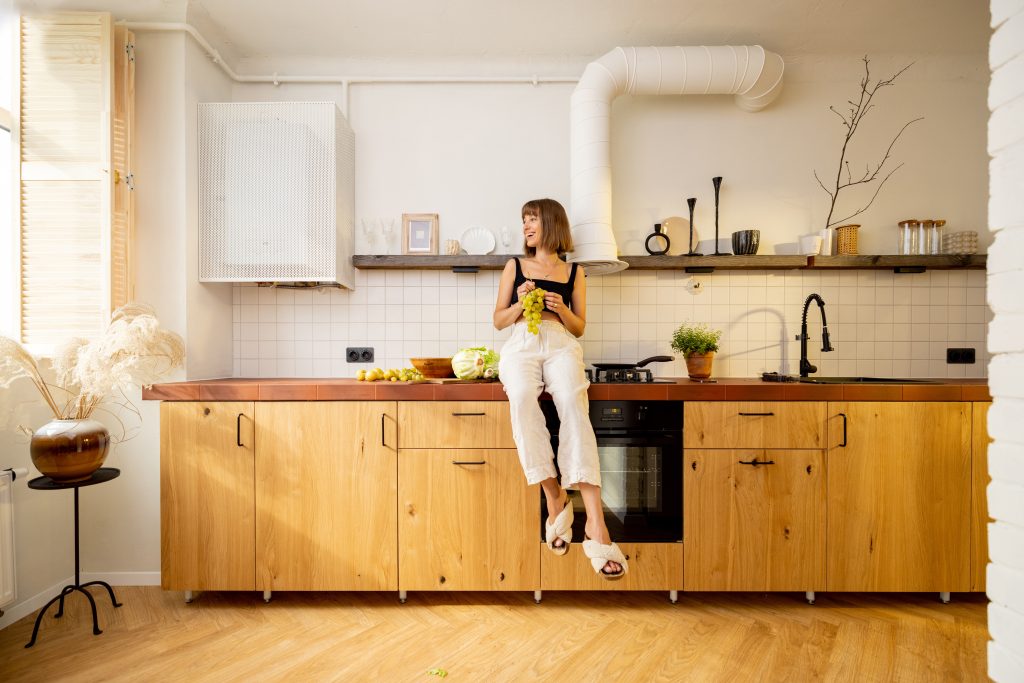
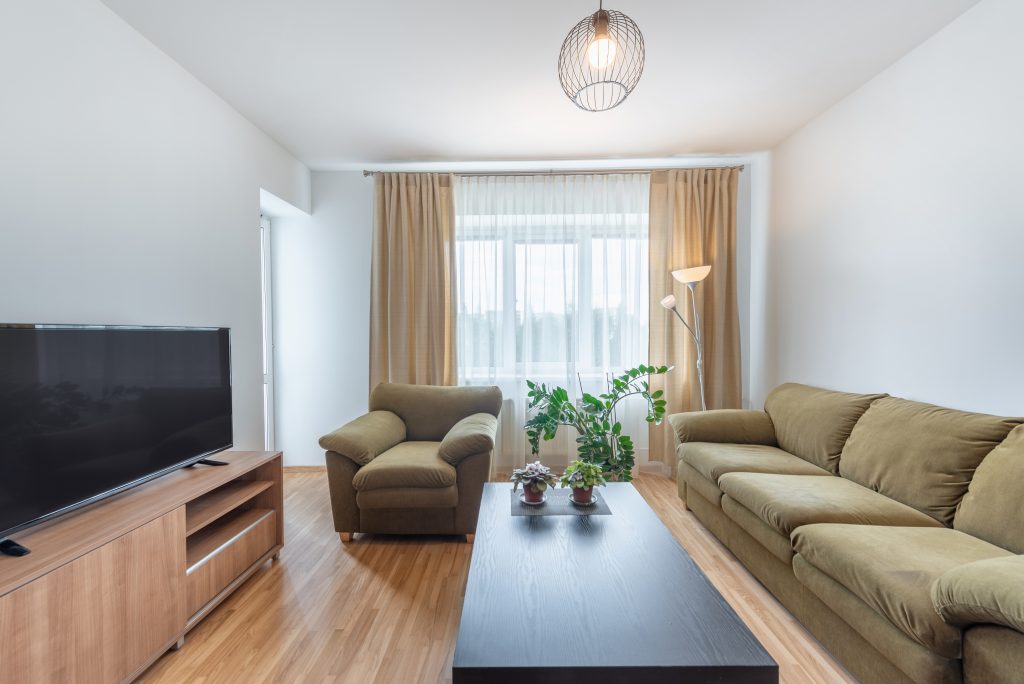
Home clutter is easy to ignore when life gets busy. A pile of mail on the counter, shoes by the door, laundry on a chair, and random items across tables can slowly become part of the background. Yet even when clutter seems normal, it can still affect how your home feels each day. For adults balancing work, family routines, errands, and personal care, a crowded space can make life feel heavier than it needs to.
This does not mean your home has to look perfect to feel good. Real homes are lived in, and some mess is part of ordinary life. Still, when clutter builds beyond what feels manageable, it can affect comfort. A calmer setup often makes routines feel easier.
Clutter Can Change How A Space Feels
One of the biggest effects of clutter is how quickly it changes the feeling of a room. Even a comfortable home can start to feel cramped or visually busy when surfaces are crowded and items do not have a clear place. Instead of feeling like a place to rest, the room can begin to feel like another source of unfinished tasks.
You may not walk into the room and immediately think clutter is the problem. You may simply feel less settled there. A room with fewer distractions often feels calmer, easier to move through, and more pleasant to spend time in.
Daily Routines Become Harder In A Crowded Home
Clutter does not only affect appearance. It can also make ordinary routines less efficient. When counters are full, closets are overstuffed, and everyday items are hard to find, even simple tasks can take more effort. That extra friction adds up over time.
You may notice this in routines such as:
- getting ready in the morning
- preparing meals in the kitchen
- helping children with school items
- cleaning up at the end of the day
- relaxing in the evening before bed
When the home feels easier to use, these routines often feel lighter. The goal is not to remove every sign of daily life. It is to create enough order that your home supports your routine instead of slowing it down.
Why Manageable Spaces Support Well-Being
A manageable home setup can support comfort. Clear walkways, usable surfaces, and sensible storage can all help reduce the feeling that your home is working against you. This can be especially valuable during busy seasons when your energy and attention are already pulled in many directions.
A more manageable space often supports well-being by making it easier to:
- find what you need without frustration
- complete chores more efficiently
- enjoy shared spaces with family
- welcome rest at the end of the day
- keep up with simple cleaning habits
These benefits are not about creating a showroom. They are about making daily life feel more functional and less overwhelming.
Small Changes Can Make A Meaningful Difference
You do not need to clear out the entire house in one weekend to feel a difference. In many cases, small changes are the most sustainable. Clearing one surface, creating a drop zone near the door, or removing items you no longer use can immediately make part of the home feel easier to manage.
It also helps to focus on the areas that affect daily comfort most. Kitchens, bedrooms, entryways, and living rooms often shape the flow of the day more than storage spaces you rarely use. When those key areas feel lighter and more organized, the whole home can feel more supportive.
A Comfortable Home Does Not Need To Be Perfect
Clutter affects daily comfort because it changes how your home feels and functions. When a space becomes too crowded or disorganized, routines can feel more tiring than they need to. On the other hand, a home that feels manageable can support calmer living in realistic ways.
That does not require perfection. It simply means noticing where clutter is adding weight to your day and making practical adjustments over time. For busy adults, that kind of steady approach can help create a home environment that feels comfortable and welcoming.