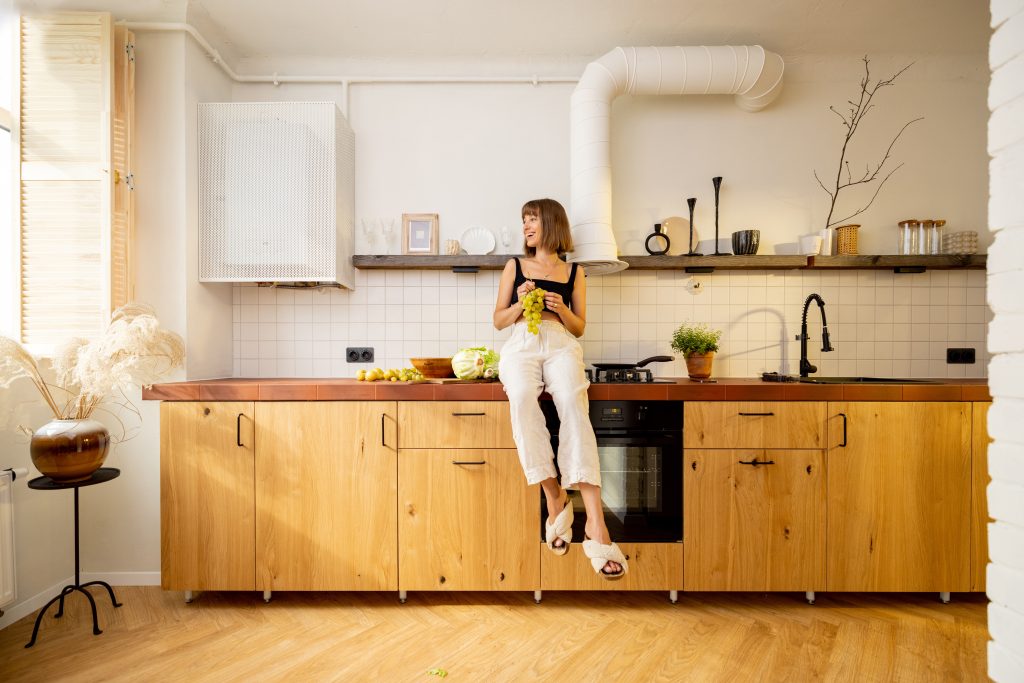
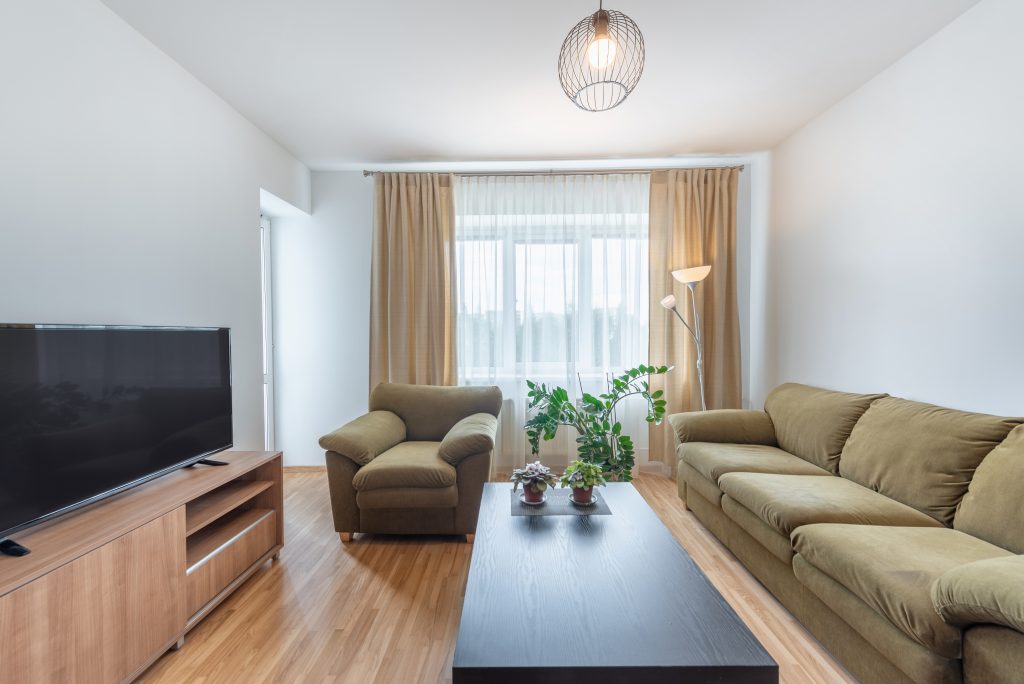
The way your home feels has a lot to do with the air inside it. When indoor air feels stale, dusty, or overly humid, the whole space can seem less comfortable, even if everything looks clean and organized. For adults managing work, family life, and everyday routines, small home habits can make a noticeable difference in how fresh and pleasant a space feels from day to day.
Improving indoor air quality does not always require major changes. In many homes, simple habits around ventilation, dust control, humidity balance, and regular cleaning can help support a fresher environment. The goal is not perfection. It is to create a home that feels easier to breathe in, easier to relax in, and more comfortable to live in throughout the year.

Let Fresh Air Move Through The Space
One of the simplest ways to support indoor air quality is to help fresh air circulate when conditions allow. Stagnant air can make a room feel stuffy, especially in areas where people spend a lot of time working, sleeping, or cooking. Even brief periods of airflow can help a home feel lighter and more refreshed.
A few practical habits can help:
- open windows when outdoor conditions are comfortable
- use kitchen and bathroom exhaust fans regularly
- allow air to move between rooms when possible
- avoid blocking vents with furniture or storage items
These small actions can support a more balanced feeling indoors. They also help reduce the sense that air is trapped inside the home all day, especially in busy households.
Stay On Top Of Dust And Soft Surfaces
Dust can build up quietly and affect how clean the air feels, even when it is not immediately obvious. Soft surfaces such as rugs, curtains, bedding, and upholstered furniture can all collect dust over time. Hard surfaces can hold it too, especially in corners, shelves, and areas that do not get cleaned often.
A simple dust-control routine may include:
- vacuuming floors and rugs regularly
- washing bedding on a consistent schedule
- dusting shelves, baseboards, and furniture
- cleaning under beds and larger furniture when possible
- reducing clutter that tends to collect dust
These habits do not need to happen all at once. Spread over the week, they can help your home feel cleaner and fresher without making cleaning feel overwhelming.
Keep Humidity At A Comfortable Level
Humidity plays a major role in indoor comfort. When the air feels too damp, rooms can seem heavy and less fresh. When it feels too dry, the environment may become less comfortable in a different way. A balanced level of humidity can help support a home that feels more pleasant in every season.
This often starts with paying attention to moisture-prone areas such as bathrooms, kitchens, basements, and laundry spaces. Running fans, drying wet areas promptly, and avoiding long-term dampness can all help. In drier seasons, it may also help to notice whether the air feels uncomfortably dry and adjust your environment in simple ways that support comfort.
Build Cleaning Habits That Support Fresher Air
Routine cleaning does more than improve how a home looks. It can also shape how the air feels. Grease, pet hair, crumbs, damp towels, and overlooked household messes can all affect the freshness of indoor spaces over time. A steady cleaning routine helps prevent that buildup.
Focus on habits that are realistic enough to maintain, such as wiping surfaces regularly, taking out garbage before it lingers, cleaning entry areas, and keeping kitchens and bathrooms from getting stale. It is often the repeated, ordinary tasks that make the most lasting difference.
Create A Home That Feels Comfortable To Live In
Indoor air quality is not only about what you cannot see. It is also about how your home feels when you walk through the door. A fresher space can feel more welcoming, calmer, and easier to enjoy at the end of a long day. That is one reason small habits matter so much.
When you make ventilation, dust control, humidity balance, and routine cleaning part of normal home care, the results often feel natural and sustainable. You do not need a perfect system to improve indoor air quality. You simply need a few dependable habits that support a cleaner, more comfortable environment over time.