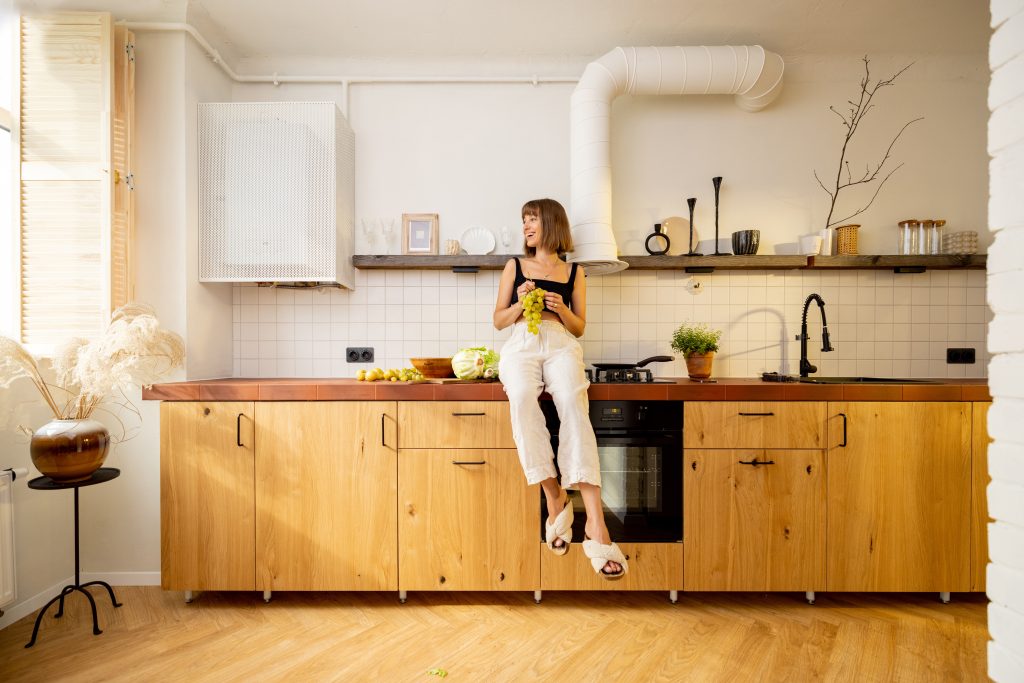
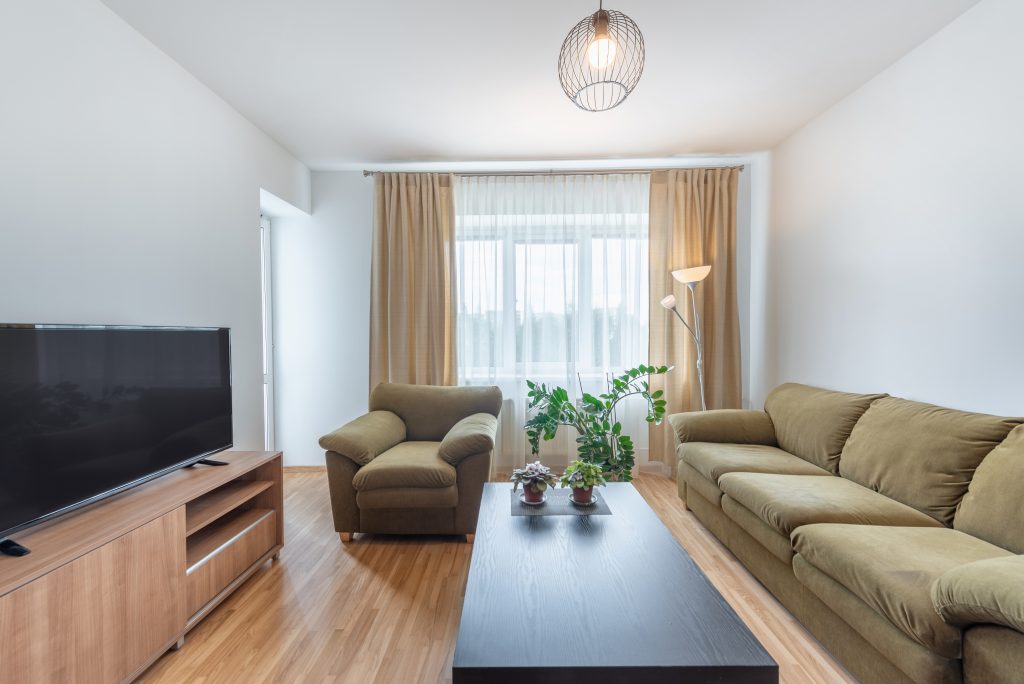
Natural light can shape the feeling of a home in ways that are easy to notice but hard to describe. A room with daylight often feels more open, welcoming, and comfortable than one that stays dim all day. For adults balancing work, family responsibilities, and personal care, those details matter. The home environment affects how daily life feels, and natural light can be one of the simplest elements that supports a healthier routine.
Bringing more daylight into key living areas does not require a full redesign. In many homes, small changes in how you use space, manage window coverings, and arrange furniture can help sunlight become a more active part of the day. Over time, that can contribute to a brighter atmosphere that supports comfort, mood, and well-being.

Why Daylight Changes The Feel Of A Room
Natural light does more than brighten walls and floors. It changes how a room feels when you walk into it. Spaces with more daylight often seem cleaner, calmer, and more inviting. That can influence how willing you are to spend time there, whether you are working from home, preparing meals, helping with homework, or simply trying to relax.
For many people, daylight also makes a home feel connected to the rhythm of the day. Morning light can help a room feel fresh and energizing, while softer afternoon light can create a calmer mood. This natural variation adds warmth and balance without requiring extra effort once the space is set up well.
Focus On The Rooms You Use Most
You do not need every room in the house to be filled with sunlight all day. It is often more helpful to focus on the spaces you use most often. That may include the kitchen, living room, bedroom, home office, or dining area. When daylight reaches the places where routines happen, the benefits feel practical and consistent.
A few ways to make the most of existing light include:
- opening curtains and blinds earlier in the day
- keeping windows clean so more light can pass through
- using lighter colors near windows when possible
- avoiding large furniture that blocks sunlight
- placing seating or work areas closer to light sources
These adjustments can help your home feel brighter without making the space feel overly styled or complicated.
Natural Light And Everyday Comfort
Comfort at home is not only about furniture, temperature, or storage. Light plays a major role too. A dim room can sometimes feel heavy or closed in, while a naturally bright room often feels easier to enjoy. That is one reason natural light can support everyday well-being in such a practical way.
It can also make regular activities feel better. Reading, preparing food, getting dressed, and working at a table may all feel more pleasant in a well-lit space. Even simple moments, like having coffee near a window or folding laundry in daylight, can make the day feel lighter and more settled.
Small Habits That Help You Use Daylight Better
Making better use of daylight often comes down to habit. You may not be able to change the direction your windows face, but you can change how you work with the light you already have.
Try habits like these:
- Open bedroom curtains soon after waking up.
- Spend part of the morning in the brightest room available.
- Use naturally lit areas for reading, planning, or quiet work.
- Keep frequently used surfaces clear enough for light to spread.
- Rearrange small items seasonally if light patterns change.
These choices help you notice and use daylight more intentionally throughout the day.
A Brighter Home Can Support A Better Daily Rhythm
Natural light at home does not have to be dramatic to be meaningful. Even modest changes can make a space feel fresher, calmer, and more supportive of everyday life. For busy adults, that matters because well-being is often built through small environmental details that make routines feel easier.
By bringing more daylight into the rooms you use most and building simple habits around it, you can create a home that feels healthier and more comfortable over time. Natural light supports not only the look of a space, but also the experience of living in it each day.