For months I couldn’t figure it out. I was doing everything right. Training regularly, eating well, avoiding late-night snacks, and getting to bed on time.
But something still felt off.
I would fall asleep easily, then wake up in the middle of the night feeling strangely alert. The next morning I felt groggy, slightly wired, and hungrier than usual.
Despite doing all the right things, my midsection wasn’t improving the way I expected.
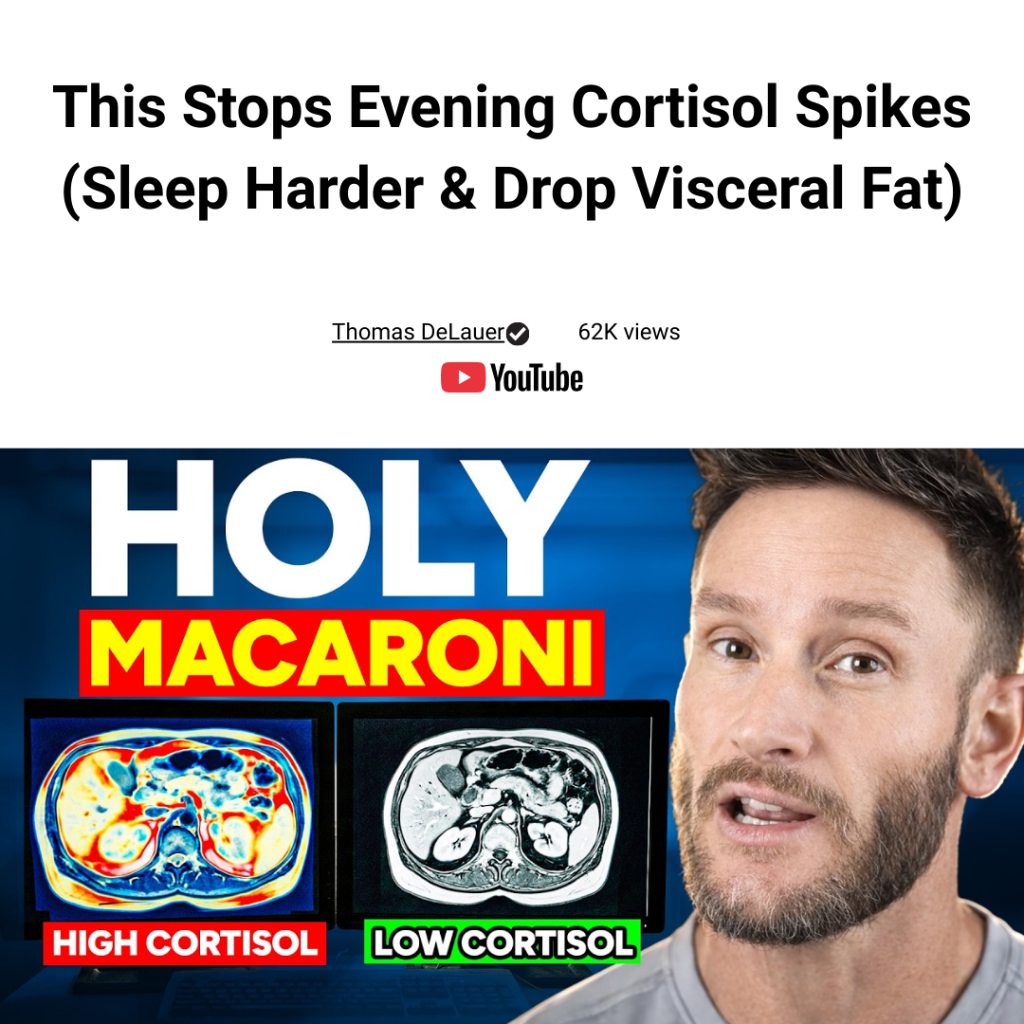
Then I stumbled across a Thomas DeLauer YouTube video about nighttime cortisol, visceral fat, and sleep disruption. It completely reframed what might have been happening.
The First Thing That Got My Attention
Early in the video, Thomas mentioned something I had never really thought about.
Cortisol is not the problem.
Cortisol at the wrong time is.
Cortisol is supposed to rise in the morning to help you wake up. But it is supposed to fall at night so your body can shift into recovery mode.
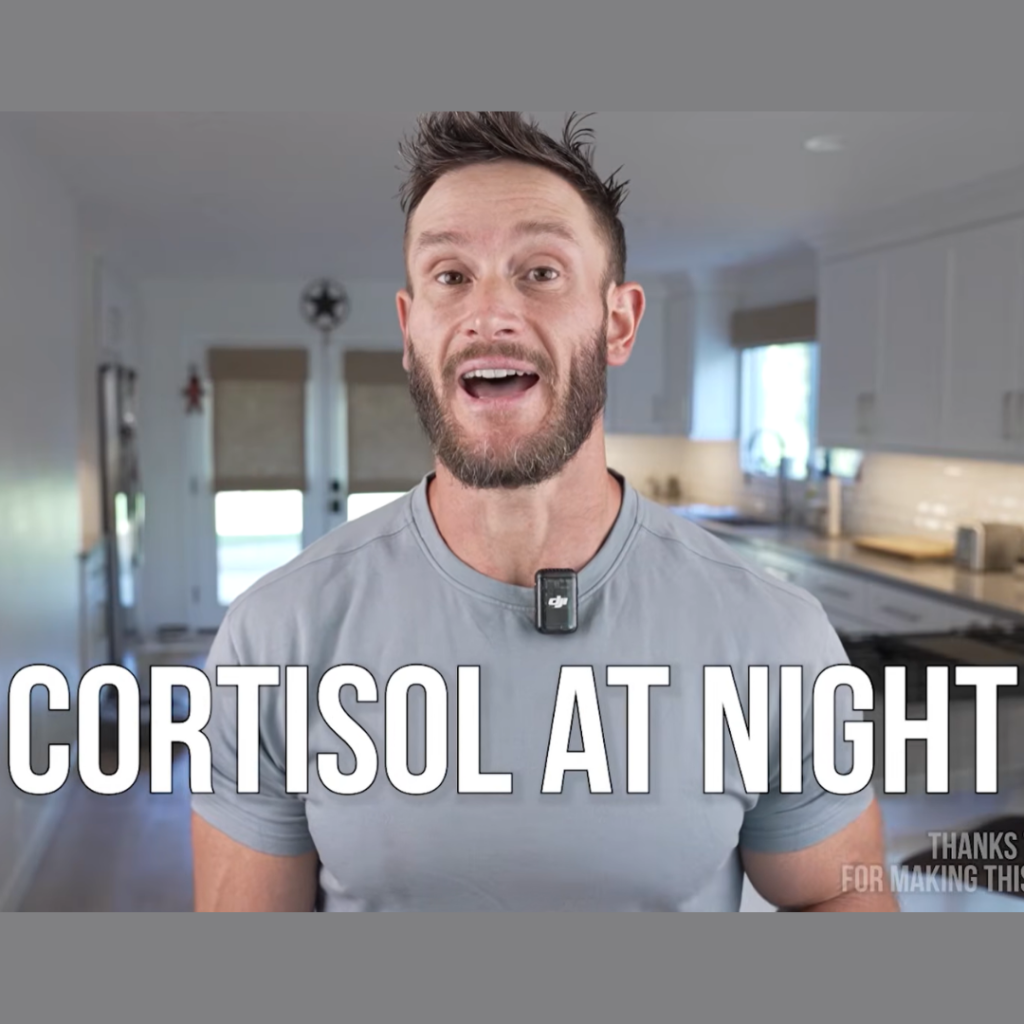
The problem is modern life does not always cooperate with that rhythm. Stress accumulates throughout the day. Emails. Work. Screens. Kids. Noise. Deadlines.
By the time night comes around, the brain sometimes stays in an alert state.
And that is where things get strange.
When cortisol stays elevated in the evening, it can:
- Suppress melatonin
- Disrupt sleep cycles
- Destabilize blood sugar
- Keep the nervous system slightly activated
The body has a high concentration of cortisol receptors in abdominal fat tissue. Meaning elevated cortisol can literally redirect energy toward visceral belly fat storage.
That part made me pause. Because I had been wondering why my midsection felt stubborn even when my habits were dialed in.
Then He Mentioned Something That Made Sense
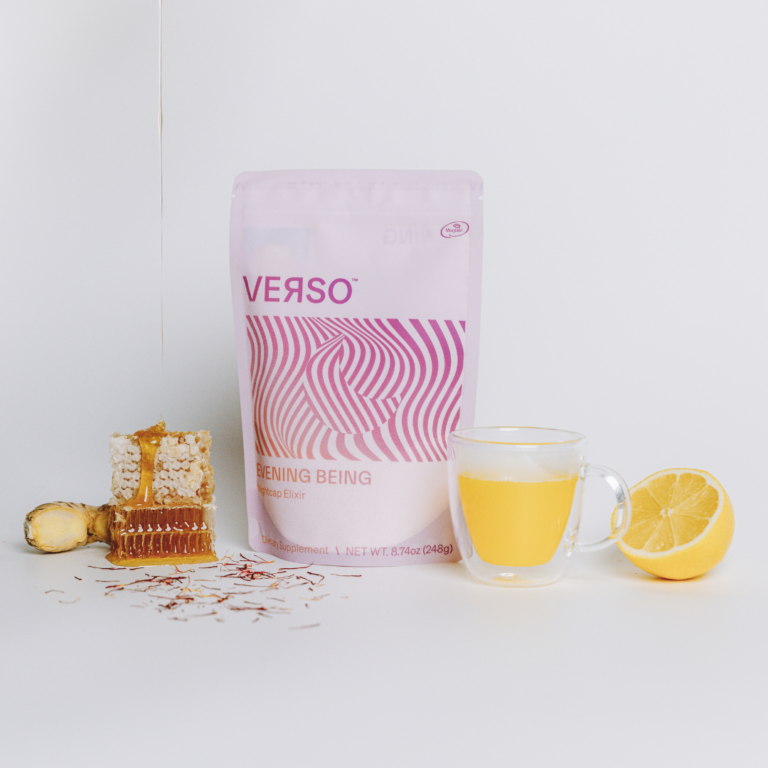
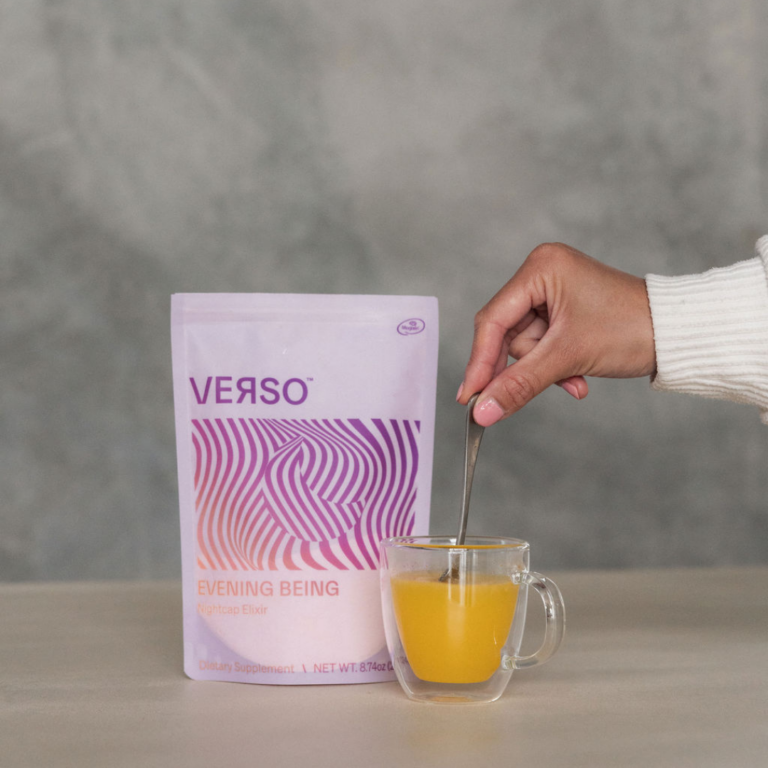
About halfway through the video Thomas brought up a product called Evening Being.
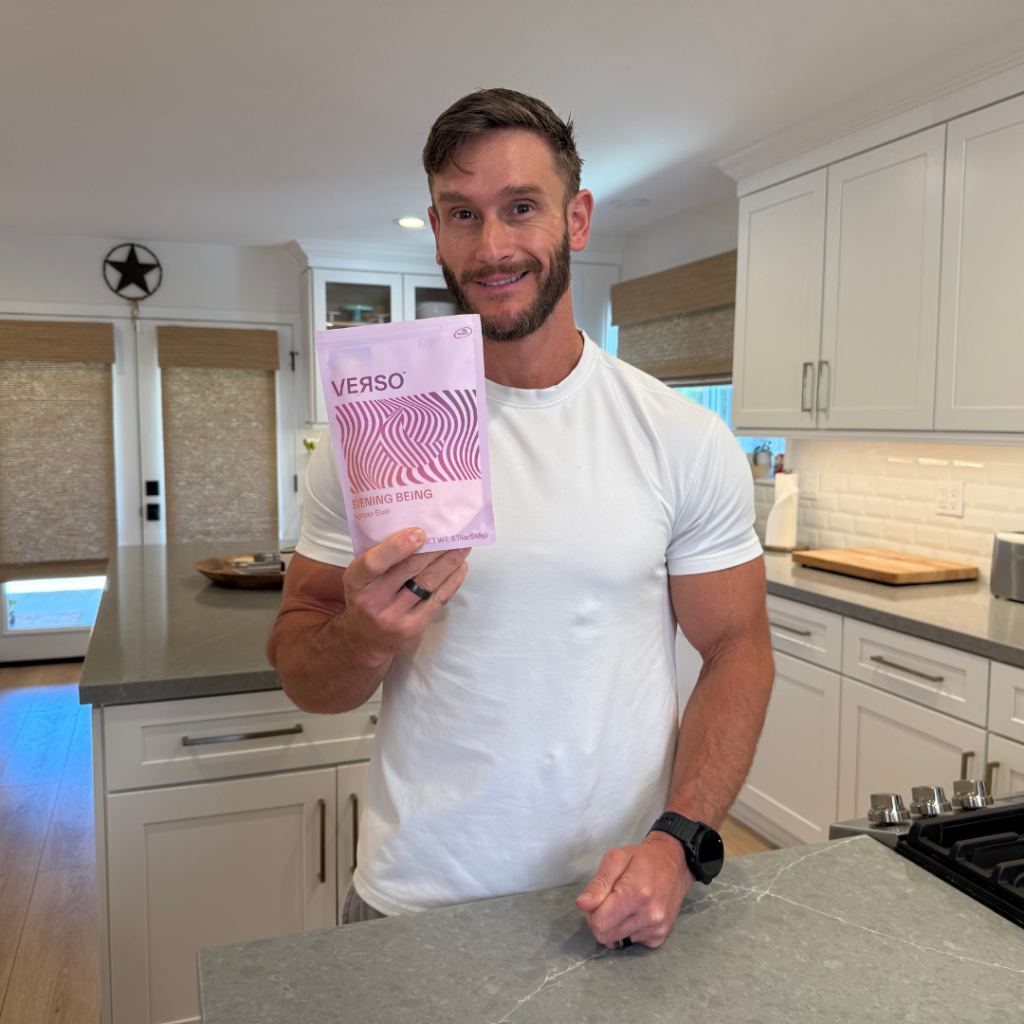
Normally I tune out when products show up in videos. But the way he introduced it was different. He had already walked through the research first. The product just happened to combine the exact ingredients he was talking about.
That caught my attention.
But the interesting part was the science behind it.
The Ingredient That Lowers Cortisol Quickly
The first ingredient he talked about was L-theanine, the calming amino acid naturally found in green tea.
The research on it is surprisingly strong.
In one study published in Neurology and Therapy, researchers gave people a stressful mental task and then supplemented them with 200 mg of theanine. Their salivary cortisol dropped significantly compared to placebo.

Another study using AlphaWave® L-theanine for 28 days showed:
- Lower perceived stress
- Better mood
- Improved sleep quality
Which makes sense when you look at how theanine works.
It crosses the blood brain barrier and increases activity in the brain’s alpha wave state, the relaxed but alert state associated with calm focus. At the same time it helps support GABA, serotonin, and dopamine, which collectively help quiet the nervous system.
In simple terms, it nudges the brain away from fight or flight mode, helping the body shift toward the calmer state needed for sleep.
The Spice I Didn’t Expect
Then Thomas brought up something I definitely did not expect. Saffron.
Yes, the same spice used in cooking. But modern research has started looking at saffron as a mood and sleep regulator.
It appears to interact with serotonin receptors and may influence the brain’s circadian rhythm centers.
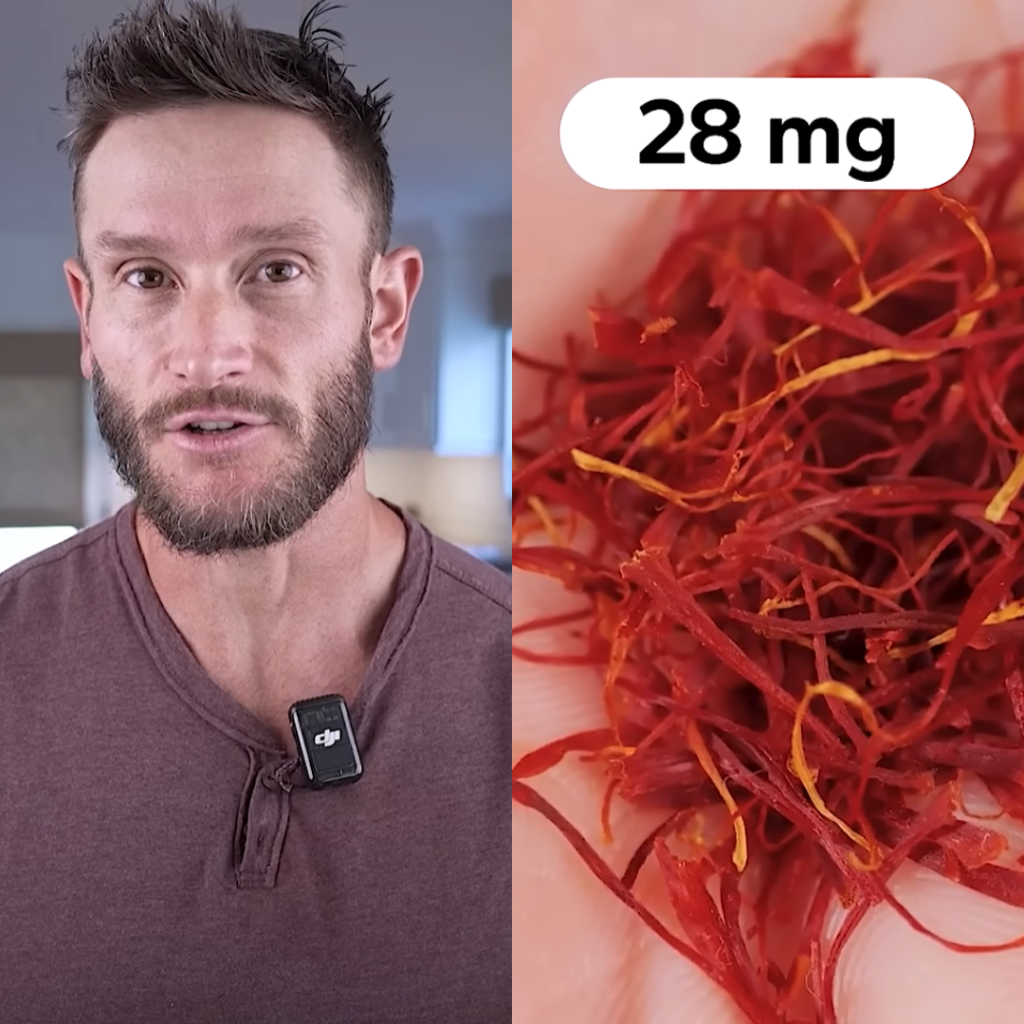
But something important that often gets overlooked is that not all saffron extracts are the same. The quality, standardization, and active compound levels can vary significantly between products, which affects both consistency and efficacy.
Most of the research showing improvements in sleep has actually been conducted on Affron®, a standardized saffron extract that has been clinically studied.
In one study published in Sleep Medicine, participants received either placebo, 14 mg, or 28 mg of Affron saffron extract.
The results were impressive.
Participants reported:
- Better sleep quality
- Improved mood upon waking
- Increased natural melatonin production
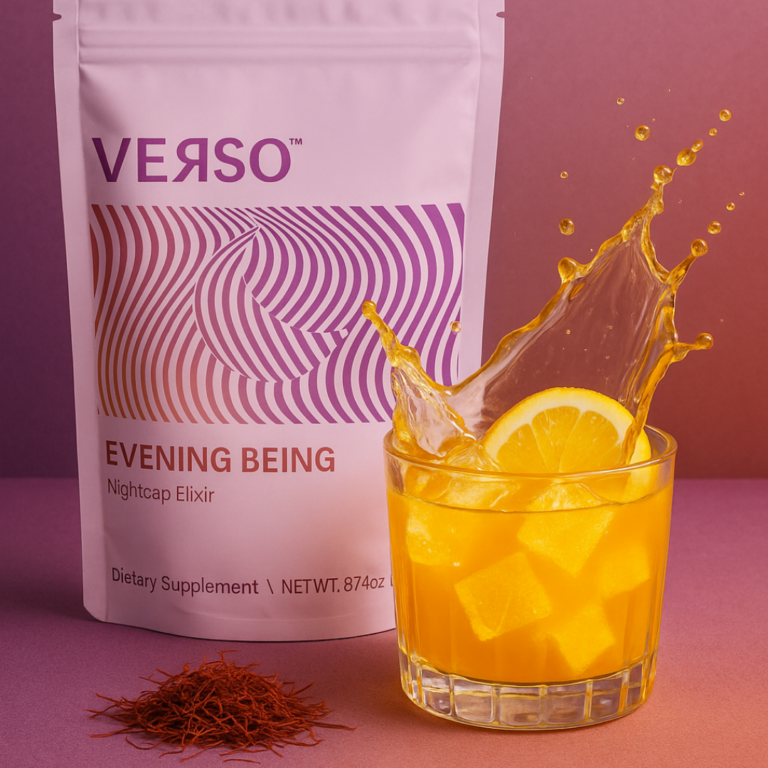
The 28 mg dose appeared to be particularly effective. That is notable because it is the exact dose used in Evening Being, which includes 28 mg of clinically studied Affron® saffron extract.
The Part That Made The Formula Click
The more I looked at the ingredients, the more the formula made sense.
Evening Being combines:
- 200 mg AlphaWave® L-theanine
- 28 mg Affron® saffron extract
- 3 grams glycine
- 1 gram Magtein® Magnesium L-threonate
Each ingredient targets a slightly different piece of the sleep puzzle.

Theanine lowers evening stress signals. Saffron supports serotonin and circadian rhythm balance. Glycine has been shown in human trials to improve sleep quality and help people stay asleep longer.
Magtein® magnesium L-threonate is also clinically studied and is the only form of magnesium shown to raise magnesium levels in the brain, helping support relaxation and nervous system calm.
It is not a sedative stack.
What Happened After A Few Months
After using Evening Being consistently for about three months, the biggest difference was not that I suddenly fell asleep faster.
My nights simply felt quieter. Less wired. Less restless.
Out of curiosity, I eventually scheduled a DEXA scan. I had one from before I started taking Evening Being, so I wanted to compare the two.
The results were interesting. My visceral fat measurement had decreased compared to the earlier scan. It is impossible to attribute that to one single factor, but it lined up with what Thomas was describing about sleep, cortisol rhythms, and metabolic health.
At the very least, it reinforced that improving nighttime recovery can have broader effects than just feeling more rested.
The One Thing I’d Recommend Trying
If you struggle with any of these:
- Waking up in the middle of the night
- Feeling wired but tired at night
- Light, restless sleep
- Stubborn belly fat despite good habits
Then addressing nighttime cortisol might be worth looking at.
For me, Evening Being was the first formula that actually seemed designed around that problem.
Not sedation. Just helping the body transition into a calmer nighttime state.